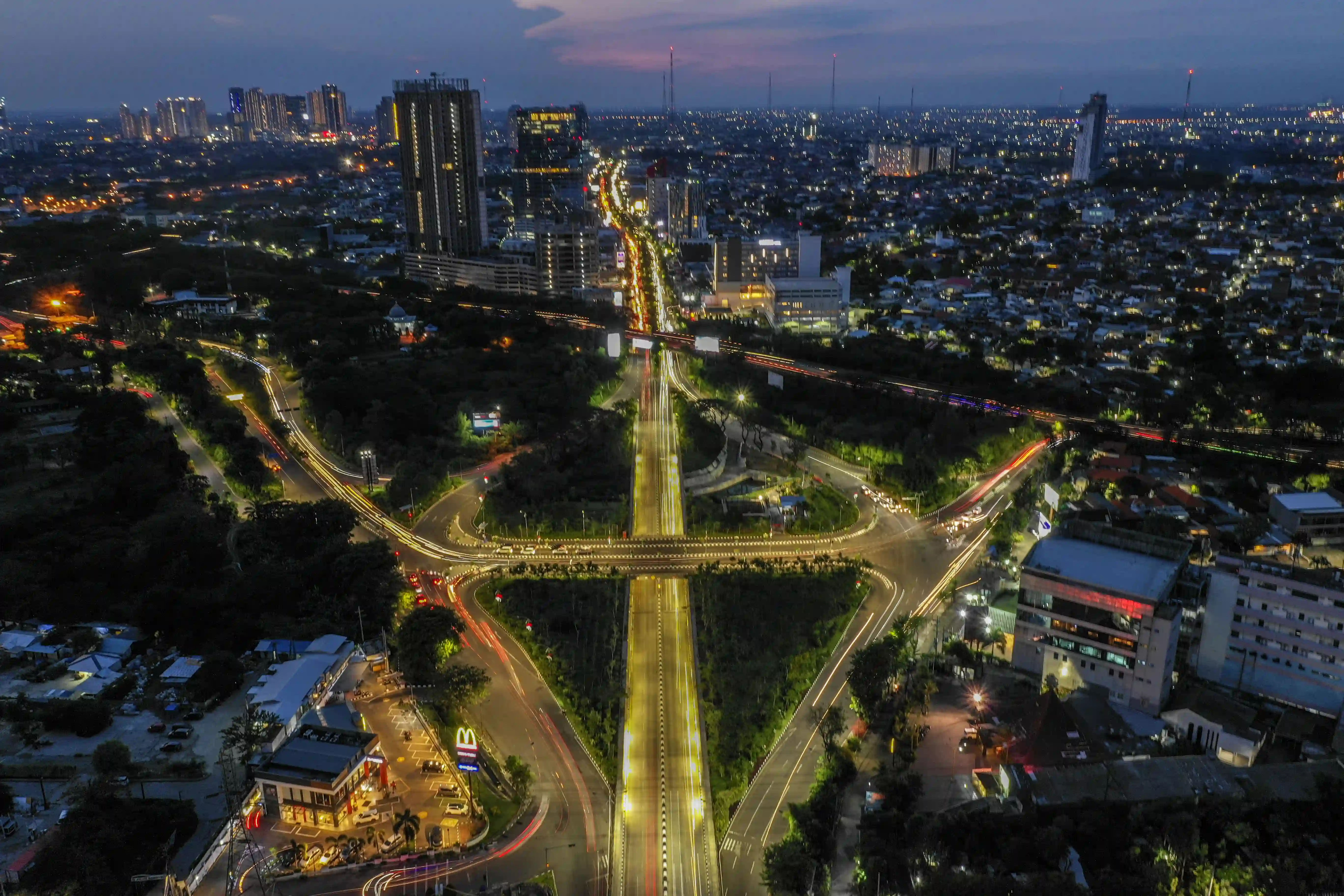
Surabaya, the "City of Heroes," holds a special place in Indonesia's history and identity. Its nickname pays homage to the city's pivotal role in the nation's struggle for independence and its resilient spirit in the face of adversity. Situated on the northern coast of Java island, Surabaya is strategically located at the crossroads of trade routes, making it a vital center of commerce, industry, and culture.
Surabaya, Indonesia's second-largest city, has a storied history that reflects its significance as a cultural, economic, and political center. Originating in the early 10th century as Hujung Galuh, it burgeoned into a bustling trading post under the Majapahit Empire, strategically positioned on the Brantas River. The city's Islamic heritage flourished in the 15th century, shaping its identity and contributing to its growth as a pivotal Islamic center in Java.
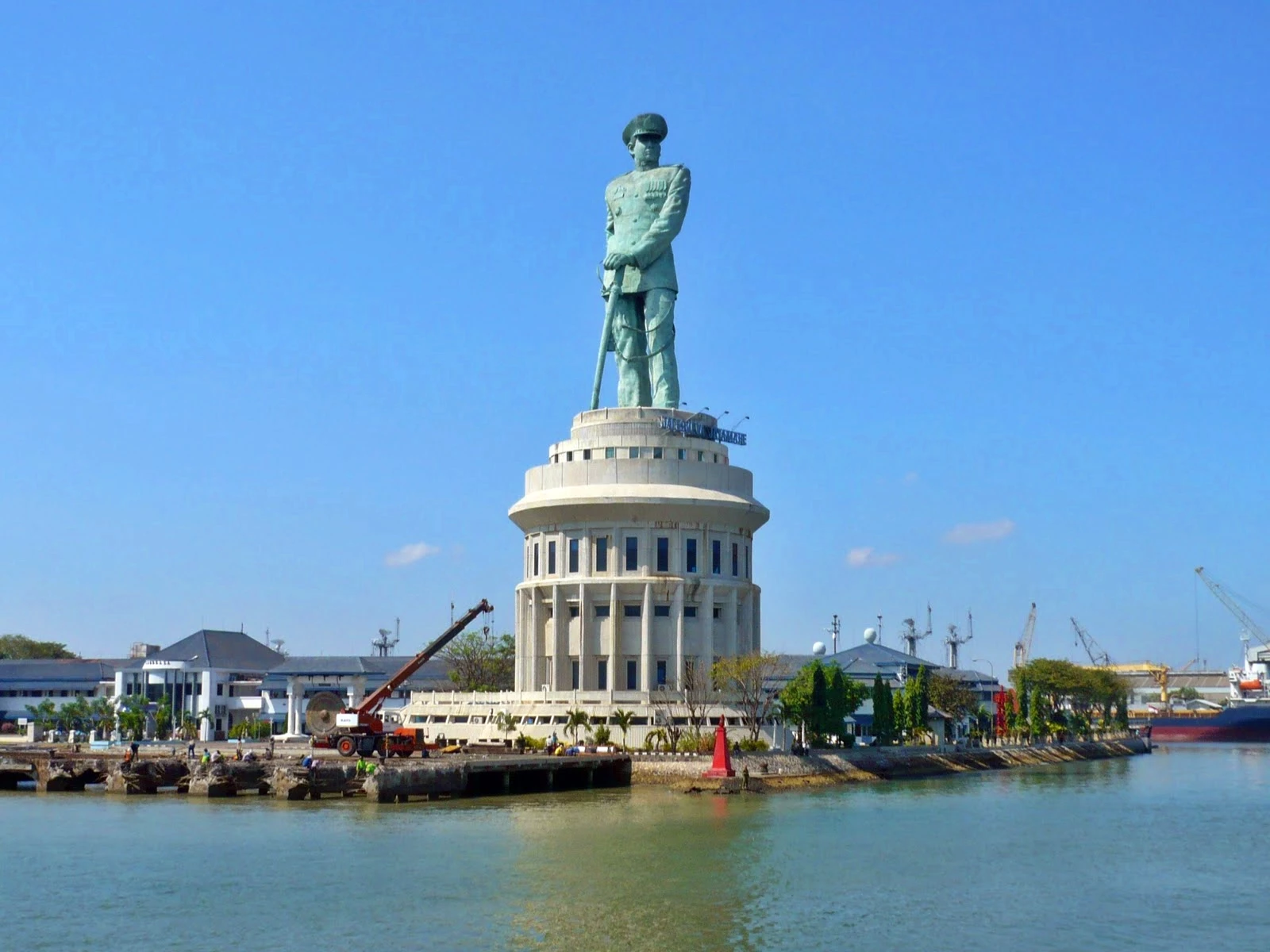
Under Dutch colonial rule, Surabaya became a key outpost for the Dutch East India Company, witnessing both urban development and social unrest. Its pivotal role in the Indonesian National Revolution, particularly during the Battle of Surabaya in 1945, solidified its status as the "City of Heroes." Post-independence, Surabaya continued to thrive as an industrial and economic hub, attracting migrants and fostering a diverse cultural landscape. Today, Surabaya stands as a testament to resilience and progress, blending its rich history with modern dynamism, making it a vibrant metropolis in the heart of Indonesia.
is a tranquil retreat located in the heart of Surabaya, Indonesia. This lush green sanctuary offers a serene escape from the urban hustle and bustle, inviting visitors to reconnect with nature and unwind amidst towering bamboo groves.
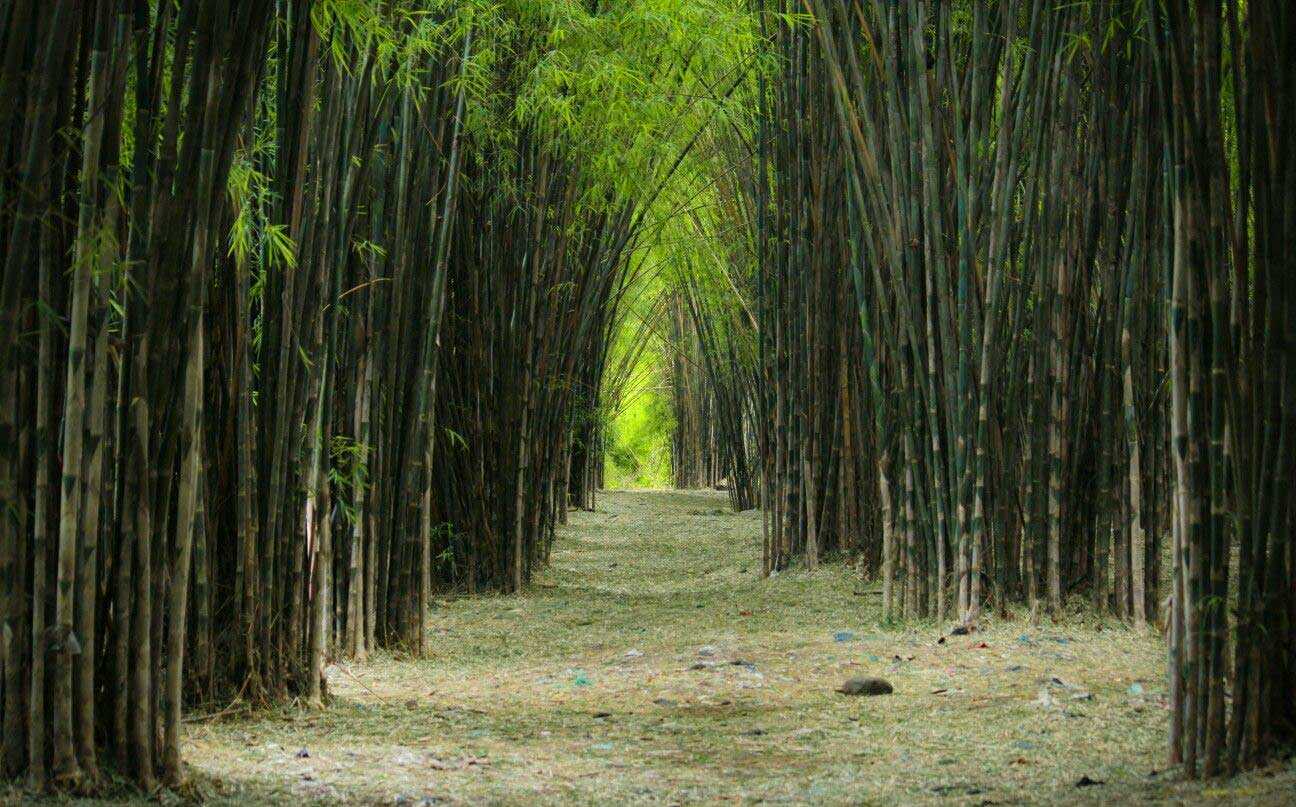
Visitors to Hutan Bambu Keputih can explore the park's natural beauty, with opportunities for birdwatching, photography, and picnicking amidst the verdant surroundings. The forest is home to a diverse array of flora and fauna, including native bird species and small mammals, making it a haven for wildlife enthusiasts and nature lovers.
Heroes Monument, is a symbol of Surabaya's indomitable spirit and a tribute to the bravery of those who fought for Indonesia's independence. Situated in the heart of the city, this iconic landmark commemorates the Battle of Surabaya, which took place on November 10, 1945, during the Indonesian National Revolution.
The monument's towering structure rises 41 meters high, symbolizing the year 1945 when Indonesia proclaimed its independence. At its peak, a golden flame symbolizes the eternal spirit of the heroes who sacrificed their lives for the nation's freedom. Surrounding the monument, visitors will find a spacious park adorned with sculptures and reliefs depicting scenes from the battle, honoring the courage and resilience of the Indonesian people.
Submarine Monument, is a distinctive landmark in Surabaya that offers visitors a unique glimpse into Indonesia's maritime history. Situated along the banks of the Kalimas River, this monument commemorates the country's naval heritage and serves as a testament to the bravery of Indonesian sailors.
The centerpiece of the monument is the KRI Pasopati 410, a decommissioned Whiskey-class submarine from the Soviet era. Visitors can explore the interior of the submarine, gaining insight into the daily life of naval personnel and the challenges they faced while serving aboard. Guided tours provide fascinating information about the submarine's history, technological features, and its role in Indonesia's defense.
Kampung Bulak, nestled in the heart of Surabaya, is a vibrant neighborhood that embodies the city's rich cultural heritage and community spirit. This historic village, also known as Bulak Village, offers visitors a glimpse into traditional Javanese life while showcasing a blend of old-world charm and modern influences.
One of the defining features of Kampung Bulak is its labyrinthine alleyways, lined with colorful houses adorned with intricate carvings and vibrant murals. These narrow lanes are teeming with activity, with locals going about their daily routines, children playing in the streets, and artisans crafting traditional handicrafts.


